


The Importance of Regular Tire Rotations And Balancing (Boost Longevit)
Regular tire rotations and balancing ensure even tire wear, extending tire life and improving vehicle performance. They enhance safety and fuel efficiency.
Tire rotations and balancing are crucial for maintaining vehicle health. Rotating tires every 5,000 to 7,000 miles helps distribute wear evenly. This simple maintenance practice prevents uneven tread wear, which can lead to poor handling and reduced traction. Balancing tires eliminates vibrations caused by uneven weight distribution, providing a smoother ride.
Regularly balancing your tires also reduces strain on the suspension system. These practices not only extend the lifespan of your tires but also improve fuel efficiency, saving you money in the long run. Ensuring your tires are well-maintained keeps your vehicle safe and running efficiently.
Introduction To Tire Care
Taking care of your tires is crucial. Good tire care ensures your safety on the road. It also saves you money in the long run. Regular tire rotations and balancing are key parts of tire care. Let’s dive into the basics.
Basics Of Tire Maintenance
Proper tire maintenance includes several steps. These steps help extend the life of your tires. Here are some essential tasks:
- Checking tire pressure: Ensure tires are properly inflated.
- Inspecting tread depth: Make sure tread depth is adequate for safety.
- Rotating tires: Move tires to different positions to ensure even wear.
- Balancing tires: Ensure tires are evenly balanced to avoid vibrations.
Performing these tasks regularly helps maintain tire health. It also improves your vehicle’s performance.
Why Tire Care Matters
Tire care is essential for several reasons. Here are the main benefits:
- Safety: Well-maintained tires reduce the risk of accidents.
- Cost savings: Proper care extends tire life, saving you money.
- Improved fuel efficiency: Properly inflated and balanced tires improve gas mileage.
- Smoother ride: Balanced tires provide a more comfortable driving experience.
Neglecting tire care can lead to problems. These problems include uneven wear, blowouts, and poor handling. Regular tire rotations and balancing can prevent these issues.
What Is Tire Rotation?
Tire rotation is a crucial part of vehicle maintenance. It involves changing the position of each tire on your vehicle. This process helps ensure even tire wear. Regular tire rotation can extend the life of your tires. It also improves your vehicle’s performance and safety.
Definition And Process
Tire rotation means moving tires from one position to another. For example, you might switch the front tires with the back ones. This way, all tires wear down at the same rate. Tire rotation should be done every 5,000 to 7,000 miles. Some experts recommend doing it with every oil change.
The process is simple. First, lift the vehicle with a jack. Then, remove the tires and place them in their new positions. Finally, tighten the lug nuts and lower the vehicle. Always consult your vehicle’s manual for specific instructions.
Types Of Tire Rotation Patterns
There are several tire rotation patterns. Each pattern suits different types of vehicles and tire wear. Knowing the right pattern is key to effective tire rotation.
- Front-to-Rear: This pattern is for front-wheel-drive vehicles. Move the front tires to the back and the back tires to the front.
- X-Pattern: This is another option for front-wheel-drive vehicles. The front-left tire moves to the back-right position, and the front-right tire moves to the back-left position.
- Rearward Cross: This is for rear-wheel and four-wheel-drive vehicles. Move the rear tires to the front, and the front tires to the opposite rear positions.
- Forward Cross: Another pattern for front-wheel-drive vehicles. Move the front tires to the opposite rear positions. The rear tires move straight to the front.
Using the correct tire rotation pattern can maximize tire life. It also ensures balanced tire wear. Always refer to your vehicle’s manual for the best pattern.
What Is Tire Balancing?
Tire balancing is crucial for a smooth and safe drive. It ensures that the weight is distributed evenly across the tire and wheel assembly. This prevents uneven wear, vibrations, and other issues.
Definition And Process
Tire balancing means adjusting the balance of the tires and wheels. A technician uses a machine to check for imbalances. They then add small weights to correct any issues.
This process involves mounting the tire and wheel on a balancer. The machine spins the wheel to detect weight differences. Once detected, weights are placed to balance the tire.
Symptoms Of Unbalanced Tires
Unbalanced tires can cause several problems. Here are some common symptoms:
- Vibrations: Feeling vibrations in the steering wheel or seat.
- Uneven Wear: Tires wearing out unevenly or more quickly.
- Noise: Hearing unusual noises while driving.
If you notice any of these symptoms, it might be time to balance your tires.
Benefits Of Regular Tire Rotations
Regular tire rotations offer multiple advantages for your vehicle. They ensure your tires wear evenly. This leads to better performance and extended tire life. Let’s explore the key benefits.
Enhanced Tire Longevity
Rotating your tires every 5,000 to 7,000 miles helps. Tires wear out at different rates depending on their position. Front tires often wear faster than rear tires. Rotating them distributes wear evenly. This means you won’t have to replace your tires as often. In the long run, this saves you money. Balanced wear also improves safety. Evenly worn tires provide better traction.
Improved Fuel Efficiency
Proper tire rotations can improve your car’s fuel efficiency. When tires wear unevenly, they cause more friction. This friction makes your engine work harder. As a result, your car uses more fuel. Rotated tires reduce this friction. Your car runs more smoothly, using less fuel. This helps you save money on gas.
Advantages Of Tire Balancing
Regular tire balancing offers numerous benefits for your vehicle. It ensures your tires wear evenly and provide a smoother ride. Let’s explore the advantages of tire balancing in more detail.
Smoother Ride
Balanced tires reduce vibrations while driving. This provides a much smoother ride. You feel more comfortable behind the wheel. Vibrations can cause driver fatigue and discomfort. Balanced tires help avoid this issue. They also reduce strain on the suspension system.
Preventing Uneven Wear
Uneven tire wear can lead to costly replacements. Proper tire balancing ensures even wear. This extends the life of your tires. Here are some key points:
- Longer Tire Life: Balanced tires last longer.
- Better Fuel Efficiency: Evenly worn tires improve fuel economy.
- Enhanced Safety: Even wear provides better grip on the road.
Regular tire balancing is essential for vehicle maintenance. It saves money and enhances driving comfort. Always remember to balance your tires at regular intervals.
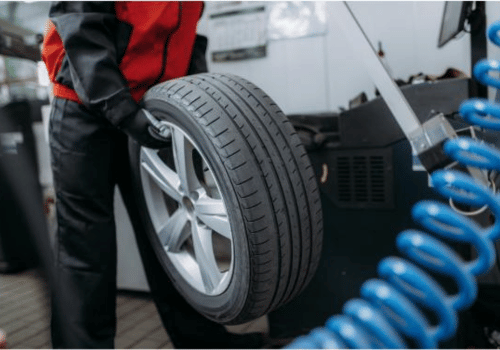
When To Rotate And Balance Tires
Regular tire rotations and balancing are key to vehicle safety and performance. Knowing when to rotate and balance tires can extend tire life. It also improves fuel efficiency and ensures a smoother ride.
Manufacturer Recommendations
Each vehicle manufacturer offers specific guidelines for tire rotations and balancing. These recommendations are usually found in the vehicle’s owner’s manual. Most manufacturers suggest rotating tires every 5,000 to 7,500 miles.
Below is a table summarizing common manufacturer recommendations:
| Manufacturer | Miles Between Rotations |
|---|---|
| Ford | 7,500 |
| Toyota | 5,000 |
| Honda | 7,500 |
Signs It’s Time
There are several signs that indicate it’s time to rotate and balance tires:
- Uneven tire wear
- Vibration in the steering wheel
- Pulling to one side while driving
If you notice these signs, schedule a tire rotation and balancing service. Ignoring these signs can lead to more serious issues.
Regular tire rotations and balancing are crucial for a safe and efficient drive. Pay attention to manufacturer recommendations and signs from your vehicle.
DIY Vs Professional Service
Choosing between DIY tire rotations and balancing or opting for a professional service can be confusing. Both methods have their own advantages and disadvantages. It’s essential to understand these to make an informed decision.
Pros And Cons Of Diy
DIY tire rotations and balancing can be cost-effective. However, it requires specific tools and knowledge.
- Pros:
- Save money on service fees.
- Learn new skills.
- Convenient if you have tools at home.
- Cons:
- Time-consuming process.
- Lack of professional equipment.
- Risk of improper balancing.
Benefits Of Professional Service
Professional tire rotations and balancing ensure accuracy and safety. Trained technicians handle the job using specialized equipment.
| Benefits | Details |
|---|---|
| Expertise | Technicians are trained and experienced. |
| Equipment | Use of advanced and precise tools. |
| Time-saving | Quick service without hassle. |
| Safety | Ensures proper tire balance and rotation. |
Cost Considerations
Regular tire rotations and balancing can extend tire life. It helps improve vehicle safety. But many people worry about the costs. This section will explain the cost considerations.
Cost Of Rotation And Balancing
The cost of tire rotation and balancing varies. It depends on the vehicle type and service provider. On average, tire rotation costs $20 to $50. Balancing costs between $10 and $15 per tire.
Some service providers offer packages. These packages include both tire rotation and balancing. This can save you money in the long run. Check for special deals or discounts.
Long-term Savings
Investing in regular tire rotation and balancing saves money over time. Well-maintained tires wear evenly. This extends their lifespan. You won’t need to replace your tires as often.
Even tire wear improves fuel efficiency. This means you’ll spend less on gas. Balanced tires reduce strain on your vehicle’s suspension. This can prevent costly repairs down the road.
| Service | Average Cost |
|---|---|
| Tire Rotation | $20 – $50 |
| Balancing | $10 – $15 per tire |
Make sure to schedule regular tire rotation and balancing. This practice is an investment in your vehicle’s health. It ensures safety and saves money in the long term.
Regular tire rotations and balancing are essential for vehicle safety and longevity. They ensure even tire wear, better fuel efficiency, and a smoother ride. Don’t neglect this simple maintenance task. Schedule regular tire care to save money and enhance driving comfort.
Your vehicle will thank you for it!

